The relay working principle is essential in safeguarding electrical circuits and equipment. Relays are widely used to monitor voltage levels and respond to irregularities, ensuring safe and efficient operations. With innovative solutions from trusted brands like CHINT, relay systems have become more reliable and precise in their function.
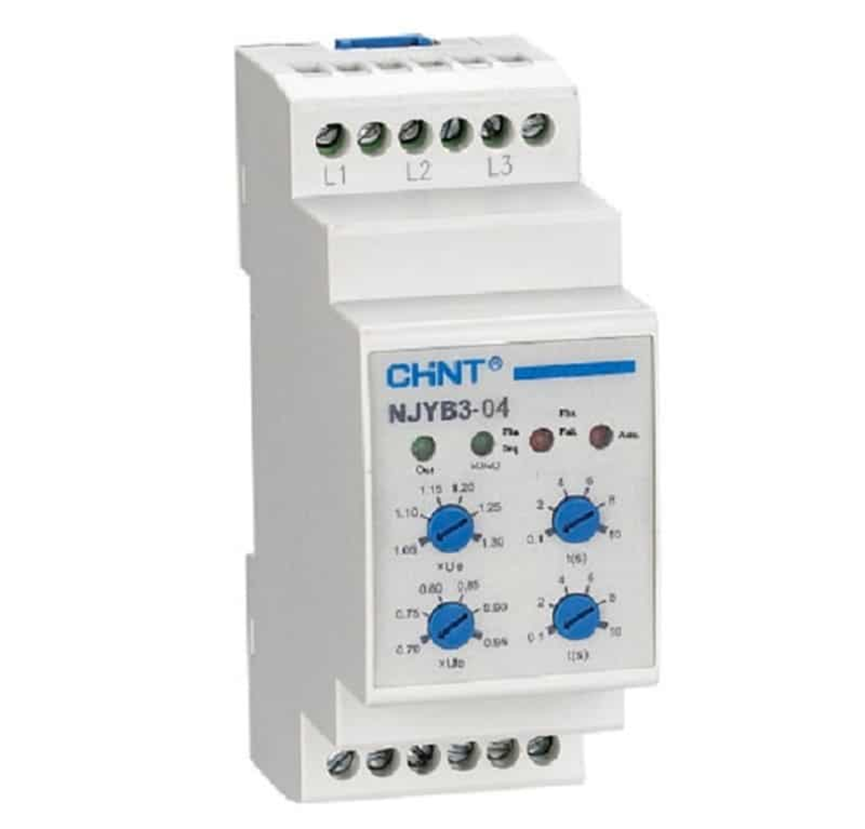
How the Relay Working Principle Operates
At its core, the relay working principle relies on two main components: a wire wound around an iron core and a switch. When voltage flows through the wire, it generates an electromagnetic field. This field activates the switch to control the circuit.
If the voltage in the system deviates significantly from preset levels, the relay detects this irregularity and trips the circuit. This action shuts off the power, preventing potential damage to connected equipment and mitigating safety risks. Relays also communicate with circuit breakers, ensuring that the system responds promptly to voltage fluctuations.
Protective Relay Systems and Their Advantages
Protective relay systems serve as critical safety mechanisms in modern electrical circuits. By continuously monitoring voltage, these systems can detect issues such as surges or drops and take immediate corrective action. After the voltage stabilizes, the relay resumes the flow of current, allowing machinery to return to normal operation seamlessly.
Relays from CHINT are designed with advanced technology to ensure accurate performance and durability. These high-quality relays offer enhanced protection, making them ideal for both residential and industrial applications.
Conclusion
The relay working principle plays a vital role in maintaining electrical system stability and safety. By efficiently detecting and responding to voltage fluctuations, relays protect valuable equipment and ensure operational continuity. With products from CHINT, you can rely on cutting-edge relay systems to meet your safety and performance needs.