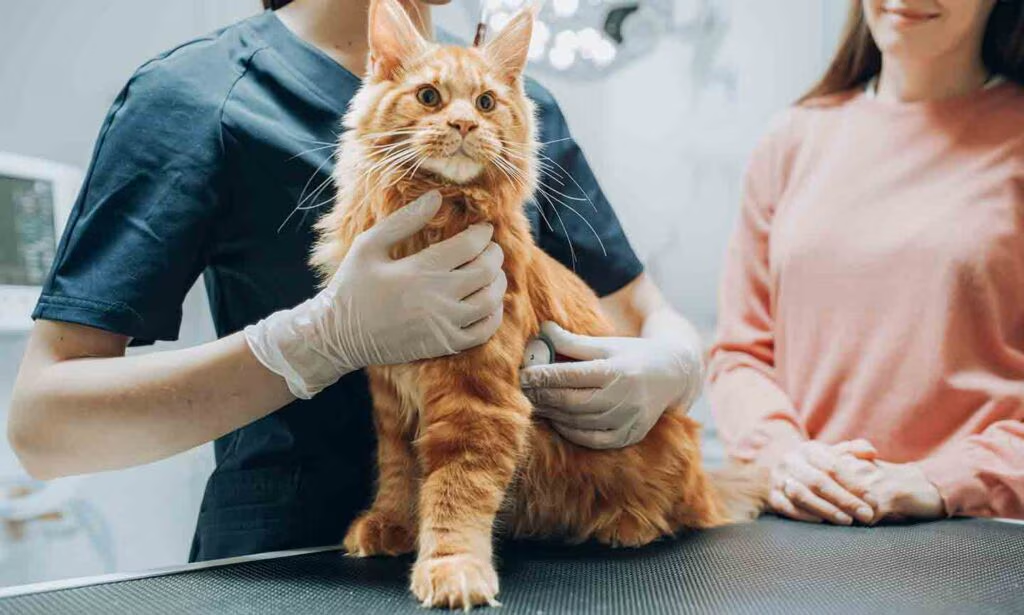
Cats are known for their graceful movements, independent personalities, and quiet resilience. Because they often hide discomfort or illness, it can be difficult for pet owners to recognize when something is wrong. One health issue that frequently affects cats, especially as they grow older, is kidney disease. Understanding the symptoms of feline kidney disease can help owners detect problems early and seek veterinary care before the condition becomes severe.
The kidneys play a crucial role in a cat’s body 貓腎臟保健. They filter waste products from the blood, regulate fluid balance, and help maintain proper levels of essential minerals. When the kidneys begin to lose their ability to perform these functions, toxins can accumulate in the bloodstream. This gradual decline can lead to noticeable physical and behavioral changes in a cat. Recognizing the symptoms of feline kidney disease is essential for protecting a cat’s long-term health and comfort.
One of the earliest symptoms of feline kidney disease is increased thirst. Cats with declining kidney function often drink more water than usual because their bodies are trying to compensate for reduced filtration efficiency. Owners may notice their cat spending more time at the water bowl or seeking water from unusual places such as sinks or dripping faucets. This increased thirst is frequently accompanied by more frequent urination, which can be another important warning sign.
Changes in litter box habits are another common indicator related to the symptoms of feline kidney disease. Cats may begin producing larger volumes of urine or visiting the litter box more often. In some cases, accidents outside the litter box may occur because the cat cannot control the increased urge to urinate. Observing these changes carefully can help owners identify potential health issues that require veterinary attention.
Weight loss is another symptom that may develop as kidney disease progresses. Cats suffering from kidney problems often experience a decrease in appetite or difficulty maintaining their normal body weight. Even if a cat continues eating, the body may struggle to properly process nutrients due to toxin buildup in the bloodstream. Over time, this can lead to noticeable weight loss and a thinner appearance.
A dull or unkempt coat can also be among the symptoms of feline kidney disease. Healthy cats usually groom themselves regularly, keeping their fur clean and smooth. However, when a cat feels unwell, grooming behavior may decline. The coat may appear rough, greasy, or tangled because the cat lacks the energy or motivation to maintain its usual grooming habits.
Another important symptom to watch for is lethargy. Cats with kidney disease may appear less active than usual, spending more time sleeping or resting. They may lose interest in playtime, climbing, or exploring their environment. This decrease in activity is often related to the buildup of waste products in the bloodstream, which can make the cat feel tired or weak.
Bad breath is sometimes overlooked, but it can also be linked to the symptoms of feline kidney disease. As toxins accumulate in the body, they may produce an unusual odor in the cat’s breath. Some owners describe this smell as metallic or similar to ammonia. While bad breath can have multiple causes, it may indicate underlying kidney issues when combined with other symptoms.
Vomiting and nausea are additional warning signs associated with feline kidney disease. When the kidneys fail to remove toxins efficiently, the digestive system can become irritated. Cats may vomit occasionally or show signs of nausea such as drooling, lip licking, or reluctance to eat. These symptoms may appear gradually but can worsen as the condition progresses.
Dehydration is another common issue related to kidney disease in cats. Even though affected cats often drink more water, their bodies may still struggle to maintain proper hydration. Signs of dehydration can include dry gums, sunken eyes, and reduced skin elasticity. Chronic dehydration can further stress the kidneys, creating a cycle that worsens the condition over time.
Behavioral changes may also occur as part of the symptoms of feline kidney disease. Cats that were once social and playful may become withdrawn or irritable. Some cats may hide more frequently or avoid interaction with their owners. Because cats instinctively conceal weakness, subtle changes in personality or routine should never be ignored.
In more advanced stages of kidney disease, additional symptoms may appear. These can include mouth ulcers, muscle weakness, or difficulty walking. Toxin buildup may affect various organs and systems throughout the body, leading to a wide range of physical changes. At this point, veterinary intervention becomes especially important to manage the condition and improve the cat’s quality of life.
Early detection of the symptoms of feline kidney disease can make a significant difference in treatment outcomes. Although chronic kidney disease cannot usually be completely cured, it can often be managed effectively with proper care. Veterinary treatments may include specialized diets, fluid therapy, medications, and regular health monitoring. These approaches aim to slow disease progression and help cats remain comfortable.
Regular veterinary checkups are one of the best ways to identify kidney disease before symptoms become severe. Blood tests and urine analysis can reveal early signs of kidney dysfunction even when a cat appears healthy on the surface. For older cats, routine screening is especially valuable because kidney disease becomes more common with age.
Preventive care also plays an important role in supporting kidney health. Providing fresh water, high-quality nutrition, and a stress-free environment can help maintain overall well-being. Monitoring a cat’s eating habits, weight, and litter box behavior allows owners to notice potential problems quickly.
Understanding the symptoms of feline kidney disease empowers cat owners to act with awareness and compassion. Cats cannot explain when they feel unwell, so their behavior and physical condition provide the clues needed to detect illness. By paying close attention to these signals, owners can ensure their beloved companions receive timely care and support.
Feline kidney disease may be a serious condition, but attentive observation and responsible pet care can make a meaningful difference. When owners recognize the symptoms early and work closely with a veterinarian, many cats with kidney disease continue to enjoy comfortable, loving lives for years. Through knowledge, patience, and dedication, cat owners can provide the care their feline companions deserve.